§ Service file 01
Water damage. Documented. Ready for the claim.
One in four water damage claims is denied for insufficient documentation. Bluecord exists to make sure yours is in the other three.
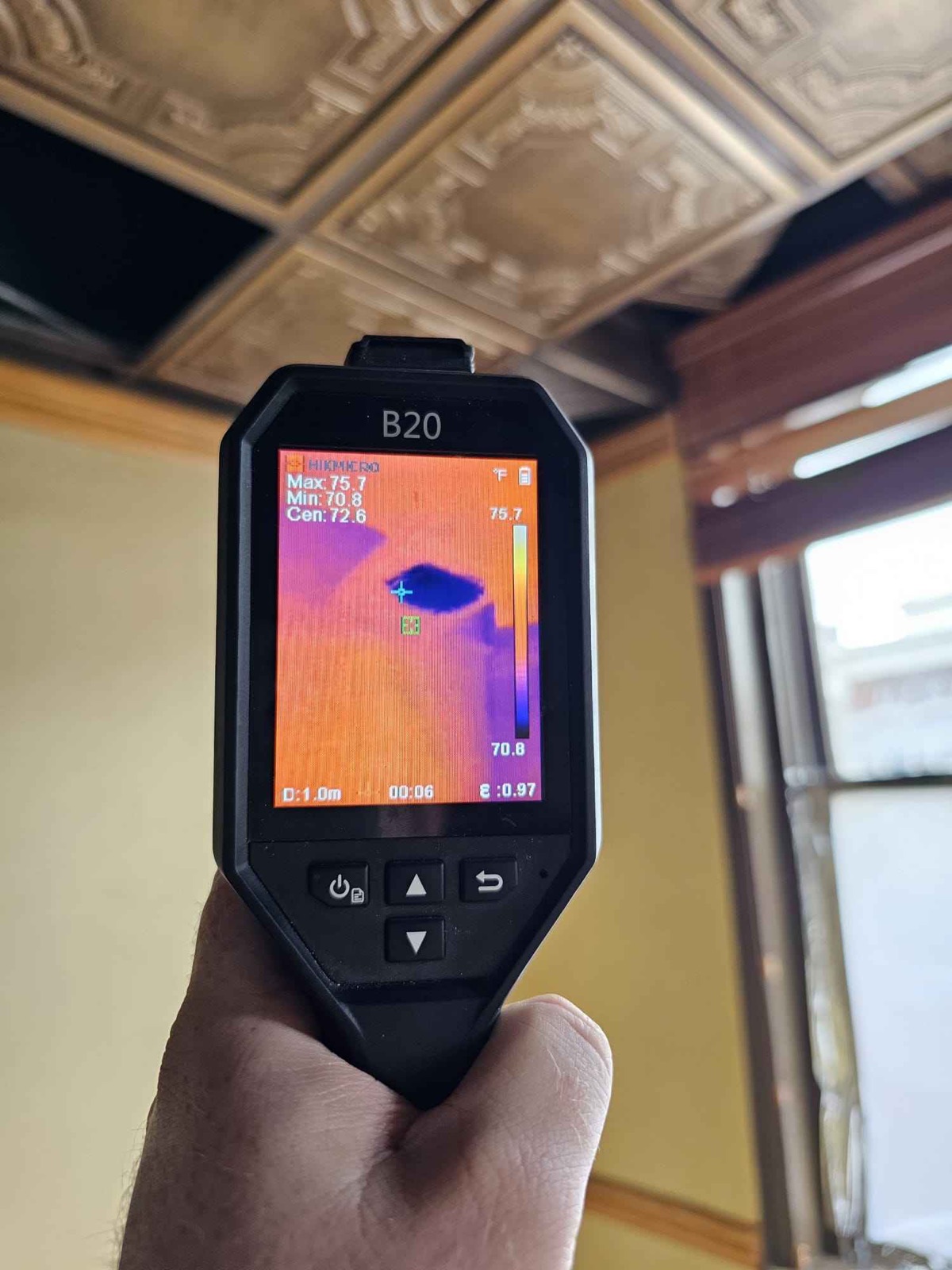
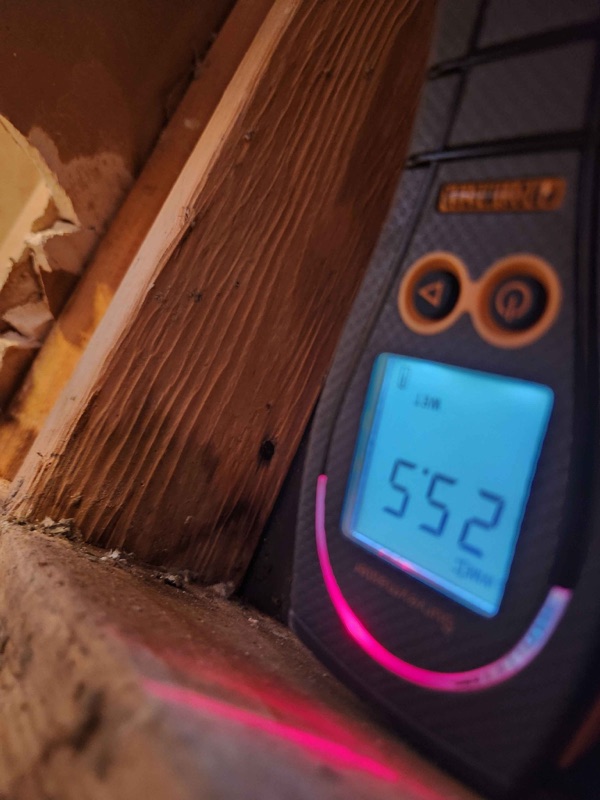
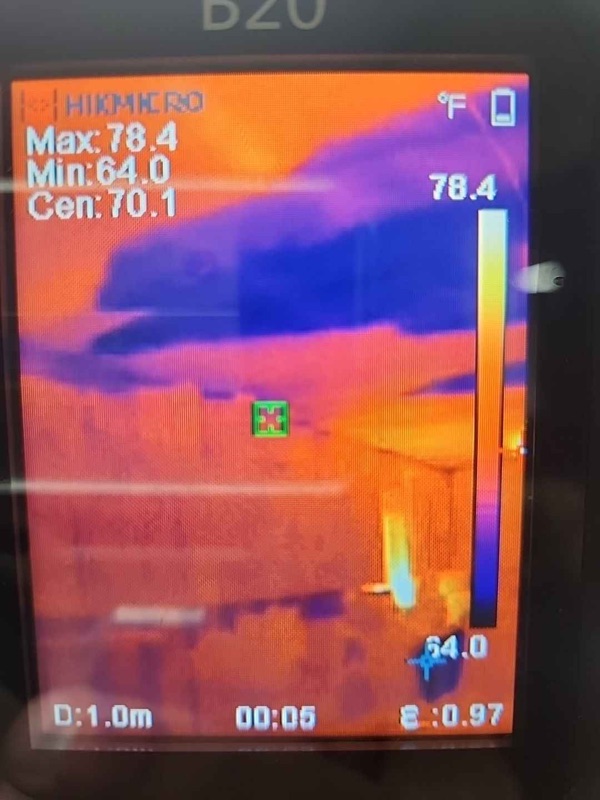
When the discovery is fresh.
You found water where there should not be water. Maybe a slow leak that finally gave up, maybe a sudden burst, maybe wind drove rain past a flashing detail. The next 48 hours decide whether your claim is paid in full or fought over for months.
Bluecord arrives with thermal imaging, calibrated moisture meters, and a process that has been used to support claims, audits, and litigation. We document every elevated reading, photograph every affected area, and produce a report that holds up.
What we test for.
- Moisture content, surface and substrate, calibrated to ASTM standards.
- Hidden moisture mapping with thermal imaging, infrared resolution to 320 by 240.
- Air sampling for elevated mold spore counts when conditions warrant.
- Surface sampling, tape lift or swab, when visible growth is present.
- ATP readings on suspect surfaces as a hygiene baseline.
- HVAC system inspection for cross contamination paths.
What you receive.
A written report, typically within five business days, ten if lab cultures are involved. The report is structured for an adjuster, an attorney, or a contractor to act on. Plain English next to the technical readings. Recommendations stated as observations, not pressure.
SUBSTRATE
Drywall, hallway south wall
MOISTURE %
42.6 (critical)
BASELINE
11.8 (matched outdoor)
SPORE COUNT
2,840 ct/m³
OUTDOOR REFERENCE
820 ct/m³
CONCLUSION
Active hidden moisture, behind drywall, source upstream of trap
Excerpt only. Full reports run 14 to 22 pages with photographs, lab certifications, chain of custody, and cited standards.
Already had another inspector?
If you already paid someone for an assessment and it does not feel complete, send it over. We will read it and tell you what is missing at no charge. We do not charge to look at a document.
First 24 hours after water damage.
A short field guide. What to do, in order, before anyone walks in with a tool.
Stop the source if it is safe.
Shut the supply valve, throw the breaker for the affected zone, kill the appliance. Photograph the source before and after.
Document everything you can.
Open the camera. Walk the area. Timestamped photos of every wet surface, every soaked item, every visible drop. Wide and close.
Notify the carrier and assign a claim number.
Even before a contractor steps in. The claim number anchors every document that follows.
Do not throw anything out yet.
Even soaked carpet pad. Adjusters often want to see the worst of it. Cut and bag if needed but keep it on site.
Run dehumidification only if you understand it.
Without a moisture map, drying can drive contaminants further. If unsure, wait for the assessment.
Call Bluecord. Schedule the inspection.
We will tell you whether to proceed with drying tonight, what to bag, and what to leave alone.
§ Action
Schedule a water damage assessment.
If conditions are active, call. We move scheduled appointments forward when we can.